Curcumin vs. Turmeric: Bridging Ayurvedic Wisdom with Modern Science for Your Wellbeing.
Turmeric, often called "golden spice," has graced kitchens and medicine cabinets for millennia. While its vibrant colour and distinct flavor are instantly recognizable, recent scientific interest has honed in on a particular compound: curcumin. This focus often leads to questions about the difference between the whole spice and its isolated extract. At REVIVE Ayurveda, we believe in understanding both perspectives—the traditional Ayurvedic use of whole turmeric (Haridra) and the modern spotlight on curcumin—to guide you toward optimal well-being and safe integration into your health journey.
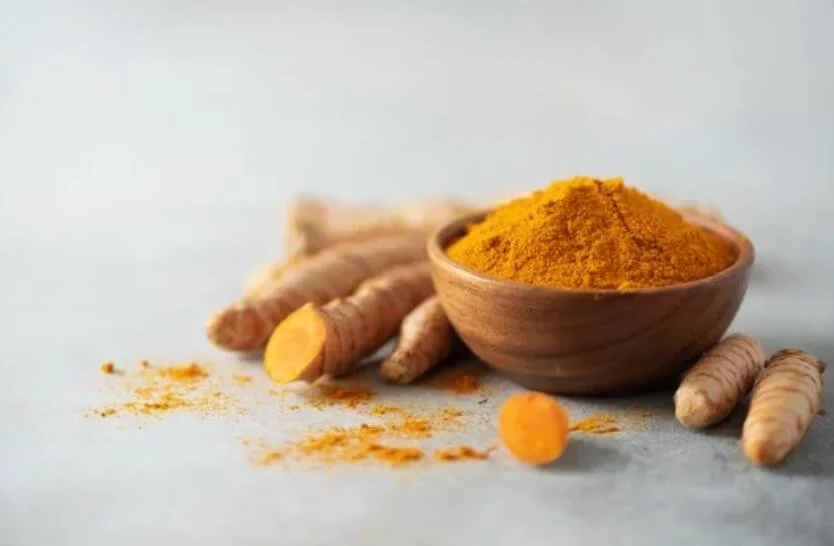
Turmeric(Haridra)
The most revered and extensively used herbs in Ayurvedic medicine
Haridra (Turmeric) in Ayurveda: A Holistic Approach
In Ayurveda, the approach to healing has always been holistic, emphasizing the power of whole plants over isolated compounds. Turmeric, known as Haridra, is no exception. It is one of the most revered and extensively used herbs in Ayurvedic medicine, valued not just for a single active component, but for the synergistic interplay of its many compounds (Sharifi-Rad et al., 2020).
Ayurveda describes Haridra with specific qualities:
Rasa (Taste): Predominantly Pungent and Bitter
Guna (Qualities): Light and Dry
Virya (Potency): Heating
Vipaka (Post-Digestive Effect): Pungent
Doshic Effects: Primarily balances Pitta and Kapha doshas, and in moderation, can balance Vata.
Traditional Ayurvedic texts outline Haridra's broad significance, highlighting its role in purifying blood, promoting healthy skin, supporting digestion, and alleviating inflammation across various bodily systems (Sharifi-Rad et al., 2020). The diverse health benefits of curcuminoids, the active compounds in turmeric, are increasingly recognized in modern research for their potential in various applications (Munekata et al., 2021).
The Power of Whole Turmeric: Beyond a Single Compound
Ayurveda values Haridra for its comprehensive effects, believing that the whole root offers superior benefits due to the "entourage effect"—where the diverse compounds work together more effectively than any single component alone. The traditional uses of whole turmeric align with many benefits now attributed to curcuminoids:
Digestive Harmony: Haridra is celebrated for its ability to kindle Agni (digestive fire), reducing Ama (toxins) and supporting efficient digestion. It aids in the metabolism of fats and can relieve gas and bloating.
Natural Anti-inflammatory: Its potent heating and drying qualities make it effective in managing inflammation, supporting joint health, and soothing tissues, particularly beneficial for Pitta and Kapha imbalances.
Blood Purifier & Skin Radiance: Traditionally used to purify the Rakta Dhatu (blood tissue), contributing to clearer, healthier skin and a radiant complexion.
Immune System Support: Known for its immune-modulating properties, Haridra helps strengthen the body's natural defences.
Metabolic Health: Supports healthy glucose and lipid metabolism, contributing to overall vitality.
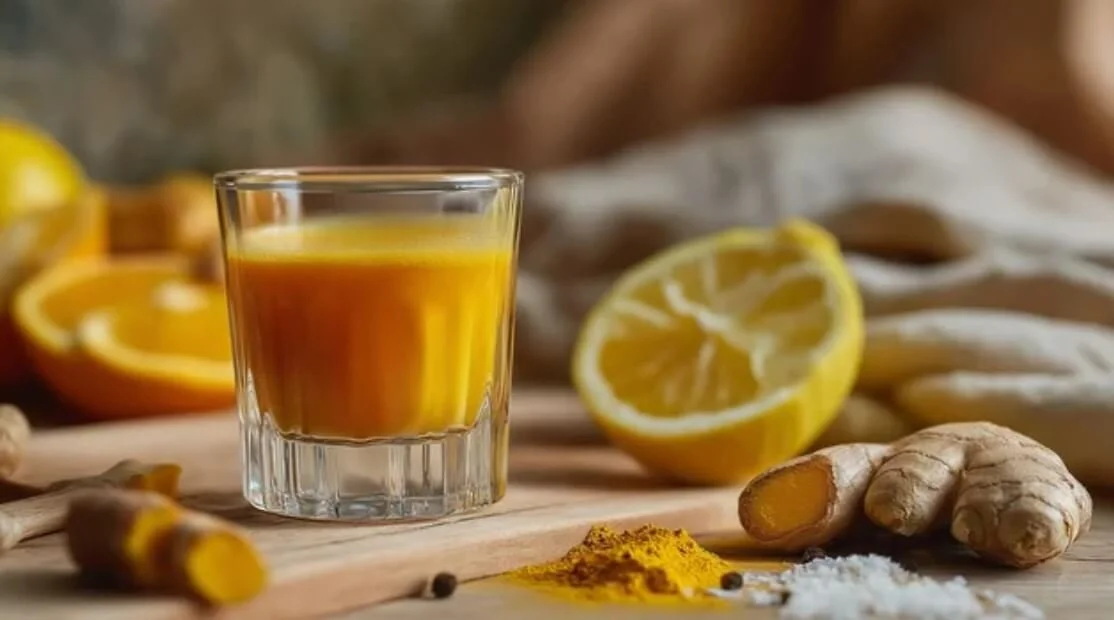
“Entourage Effect”
Diverse compounds work together more effectively than any single component alone
Curcumin: The Modern Scientific Spotlight
Modern science, with its analytical approach, has identified curcumin as the primary active compound in turmeric, responsible for much of its potent therapeutic activity. Extensive research, including numerous clinical trials, has focused on curcumin's impressive anti-inflammatory and antioxidant properties. Indeed, a comprehensive review by Kunnumakkara et al. (2023) highlights the significant role of turmeric and curcumin in the prevention and treatment of various chronic diseases, validating many of its traditional uses through a scientific lens. Sharifi-Rad et al. (2020) further detail the broad bioactive effects of both turmeric and its major compound curcumin for various food, pharmaceutical, biotechnological, and medicinal applications. Munekata et al. (2021) also emphasize the extensive health benefits and functional food applications of curcuminoids.
However, from an Ayurvedic perspective, isolating curcumin often means missing out on the other beneficial compounds in the whole turmeric root. These include other curcuminoids, volatile oils, and various polysaccharides, all of which contribute to the herb's holistic effects and bioavailability. While curcumin extracts can offer targeted benefits, Ayurveda often suggests that the synergy of the whole herb provides a more balanced and comprehensive therapeutic outcome.
Safety and Considerations for Turmeric/Curcumin
While turmeric and curcumin are generally considered safe, especially in culinary amounts, it's crucial to be aware of potential considerations, particularly when using concentrated extracts or supplements:
Dosage: High doses of curcumin extracts can sometimes lead to mild side effects like digestive upset.
Interactions: Curcumin can interact with certain medications, including blood thinners and drugs for acid reflux.
Quality: The quality and purity of supplements vary significantly. Opt for reputable brands and products.
Traditional vs. Extract: The safety profile of whole turmeric (Haridra) used in traditional culinary and medicinal contexts is well-established. However, the long-term effects of high-dose isolated curcumin extracts are still being extensively studied, with research actively exploring their safety profiles for various applications (Sharifi-Rad et al., 2020; Munekata et al., 2021).
Always consult with a qualified healthcare professional or Ayurvedic practitioner before starting any new supplement regimen, especially if you have underlying health conditions or are taking other medications.
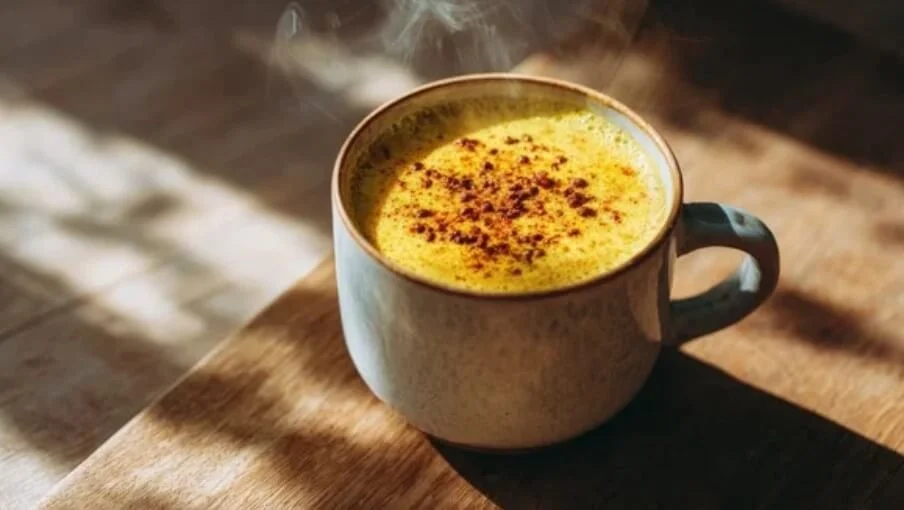
Golden Milk (Turmeric Latte)
Perfect for evening relaxation and immune support
Integrating Turmeric into Your Wellness Routine: Ayurvedic Guidance
Incorporating turmeric into your daily life can be simple and beneficial:
Culinary Delight: Use fresh grated turmeric or powdered turmeric liberally in cooking – in curries, soups, and vegetable dishes. Adding a pinch of black pepper enhances its absorption.
Golden Milk (Turmeric Latte): A warm, comforting drink made with milk (dairy or plant-based), turmeric, and spices like ginger and cinnamon, perfect for evening relaxation and immune support.
Topical Applications: Turmeric paste can be used in face masks or for minor skin irritations (always perform a patch test first).
Herbal Formulations: For specific health concerns, your Ayurvedic practitioner may recommend high-quality turmeric or specialized herbal formulations, tailored to your individual needs.
Personalized Wisdom: Consult Your Ayurvedic Practitioner
Whether you're considering whole turmeric or curcumin extracts, the Ayurvedic approach emphasizes personalization. A qualified Ayurvedic practitioner can help you determine the optimal form, dosage, and preparation method best suited for your unique Prakruti, current imbalances, and health goals. They can also ensure proper integration with your overall wellness plan and any other medications.
Unlock the Golden Benefits with REVIVE Ayurveda
At REVIVE Ayurveda, we honour the ancient wisdom of Haridra while acknowledging modern scientific insights. We guide you in harnessing the full spectrum of turmeric's benefits for your digestive health, inflammation support, immunity, and overall vitality.
Written by Ann Pallis, Ayurvedic Practitioner in Ashburton, Melbourne.
Ready to explore the golden power of turmeric? Contact REVIVE Ayurveda today for a personalized consultation to integrate this revered herb into your holistic health journey.
Disclaimer: This blog post is for Ayurveda informational purposes only and does not constitute medical advice. This information is not intended for use in the diagnosis, treatment, cure or prevention of any disease. Please consult with a qualified healthcare professional before using turmeric or curcumin supplements or any other herbal remedies.
References:
Kunnumakkara, A. B., Hegde, M., Parama, D., Girisa, S., Kumar, A., Daimary, U. D., ... & Aggarwal, B. B. (2023). Role of Turmeric and Curcumin in Prevention and Treatment of Chronic Diseases: Lessons Learned from Clinical Trials. ACS Pharmacology & Translational Science, 6(4), 447-518.
Munekata, P. E. S., Pateiro, M., Zhang, W., Dominguez, R., Xing, L., Fierro, E. M., & Lorenzo, J. M. (2021). Health benefits, extraction and development of functional foods with curcuminoids. Journal of Functional Foods, 79(104392), 104392. https://doi.org/10.1016/j.jff.2021.104392
Sharifi-Rad, J., Rayess, Y. E., Rizk, A. A., Sadaka, C., Zgheib, R., Zam, W., ... & Martins, N. (2020). Turmeric and Its Major Compound Curcumin on Health: Bioactive Effects and Safety Profiles for Food, Pharmaceutical, Biotechnological and Medicinal Applications. Frontiers in Pharmacology, 11, 1021.